Can You Use Copyrighted Music in a Podcast? The Rules That Apply
You cannot use a hit song in your podcast just because the clip is short. Learn the two rights you need and the legal music options that work.
By Podcaster Signal · Published 2026-11-09
QUICK ANSWERNo. You cannot play a copyrighted song in your podcast without permission, and there is no safe number of seconds that makes it legal. A short clip, a credit line and a noncommercial show do not change that. Every song carries two copyrights, one in the composition and one in the sound recording, and podcast use needs permission for both. The working options are royalty free music, music you license directly, public domain recordings, Creative Commons tracks used inside their terms, and music you make or commission.
The thirty second myth
The most repeated piece of podcast music advice is also wrong. Hosts tell each other that a few seconds is fine, that fair use covers a short clip, or that crediting the artist settles it. None of that holds. Playing a copyrighted song without a licence is infringement even at a few seconds, and even when the artist is credited in the show notes.
Fair use is a legal defence a court weighs case by case, not a permission you can claim in advance. Courts look at the purpose of the use, the nature of the work, how much was taken and the effect on the market for the song. A theme tune or a clip played for entertainment value scores badly on that test, because the music is doing the job the rights holders sell licences for.
One song, two copyrights
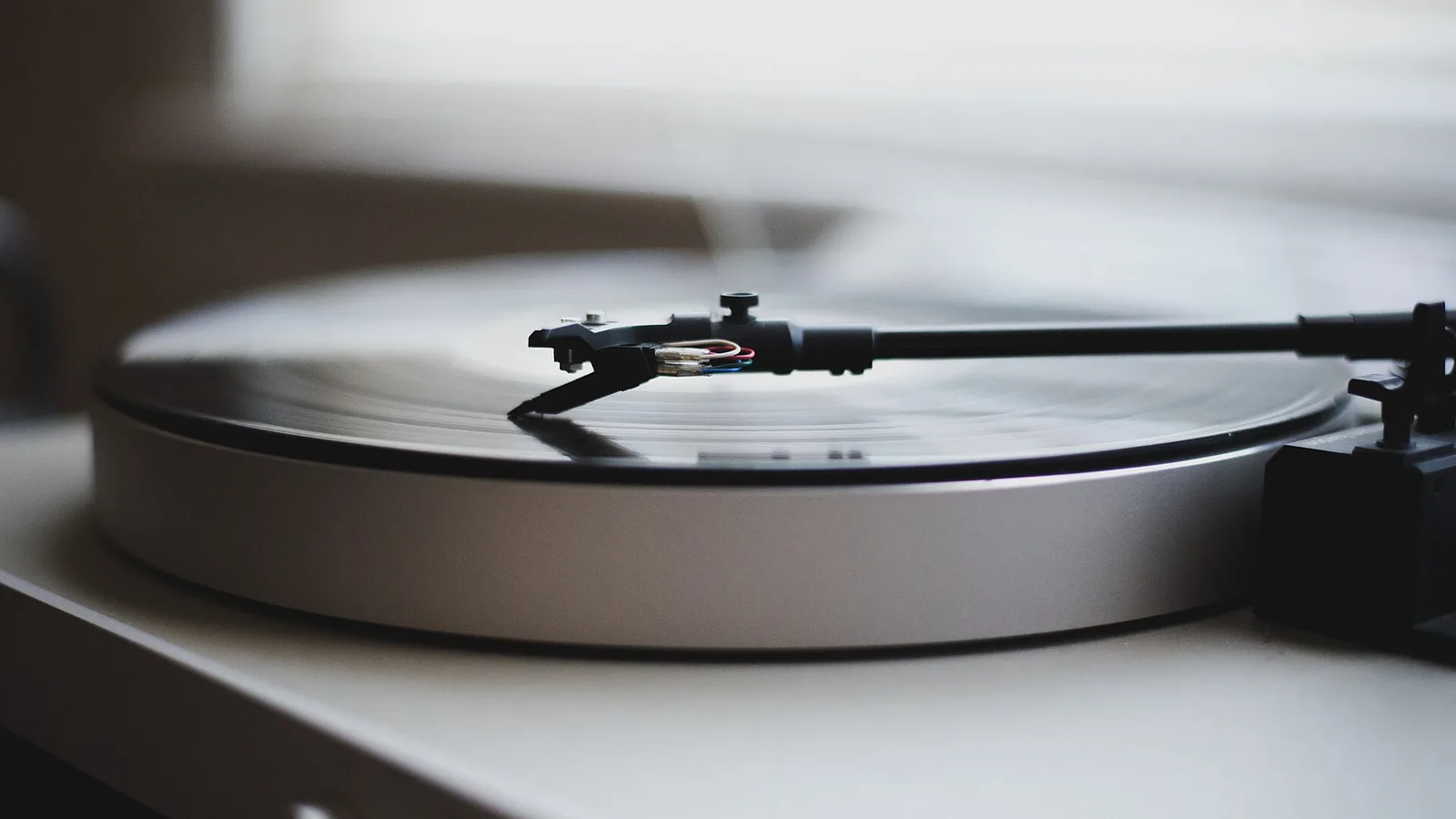
A recorded song is two works at once. The composition is the melody and lyrics, usually owned by songwriters and publishers. The sound recording is the specific performance on the record, usually owned by a label or the recording artist. Podcast use needs permission for both layers. Clearing one and not the other still leaves the episode exposed.
This is also where the radio comparison misleads podcasters. A performing rights licence from ASCAP, BMI or SESAC covers public performance royalties. It does not grant the sync or master use rights a downloadable episode needs. Radio stations also work under licence structures built for broadcast, and an on demand file that listeners keep is a different use in law.
What actually happens when you use a song anyway
The common outcome is not a courtroom. Episodes get pulled by hosts and platforms, and video versions collect Content ID claims that block the episode or take its revenue. A takedown mid season breaks every link you shared to that episode, and repeated strikes put the whole show account at risk. The cost lands on your back catalog, not just on one episode, because the song is baked into the audio file wherever it sits.
The options that keep episodes up
Royalty free and production music libraries sell licences written for podcast use, and the licence terms are the product. Read what the licence covers before you buy, including whether it covers video versions and paid promotion. Direct licensing works when the artist is independent and reachable, and a written yes with the scope spelled out is worth more than a friendly message thread.
Public domain music needs one extra check. The composition can be centuries old while the recording you found is a modern performance with its own rights. Clear the recording as well as the song. Creative Commons tracks are usable inside their stated terms, which can require credit, ban commercial use or ban edits, so read the specific licence on the track page rather than the site banner. Original music you commission avoids the whole question, and a short composed theme is often cheaper than hosts expect.
Check the whole episode, not just the theme
Music hides in places hosts forget. A guest who plays a clip to make a point, a live recording with a venue playlist behind the talk, an ad read laid over a famous track, and a trailer cut from episode audio all carry the same risk as an unlicensed theme. Run the check on every segment before you publish, and keep a note of the licence for every track in the episode file. When a platform asks what rights you hold, that note is your answer.
Music is one of the few episode problems that cannot be fixed after release without re editing the file. The audience work has no such trap. Podcaster Signal turns podcast listeners into email subscribers on a list you control, free for podcasters and listeners, and no licence is needed to reach your own list.
Frequently asked questions
Can I use 30 seconds of a copyrighted song in my podcast?
No. There is no safe number of seconds. Using a copyrighted song without permission is infringement even in a short clip, and crediting the artist does not change that. Fair use is a case by case legal defence, not a permission you can claim in advance.
Why does one song need two permissions?
A recorded song carries two copyrights. The composition belongs to the songwriters and publishers, and the sound recording belongs to the label or recording artist. Podcast use needs permission for both layers.
Does an ASCAP or BMI licence cover my podcast?
No. A performing rights licence from ASCAP, BMI or SESAC covers public performance royalties. It does not grant the sync or master use rights that a downloadable podcast episode needs.
What happens if I use a song without a licence?
The usual outcomes are episodes being pulled, Content ID claims that block or demonetize video versions, and strikes against the show account. Because the song is baked into the audio file, the problem sits in your back catalog until you re edit the episode.
What music can I legally use in a podcast?
Royalty free and production music licensed for podcast use, music licensed directly from the rights holders in writing, public domain compositions in recordings that are also cleared, Creative Commons tracks used inside their terms, and original music you make or commission.